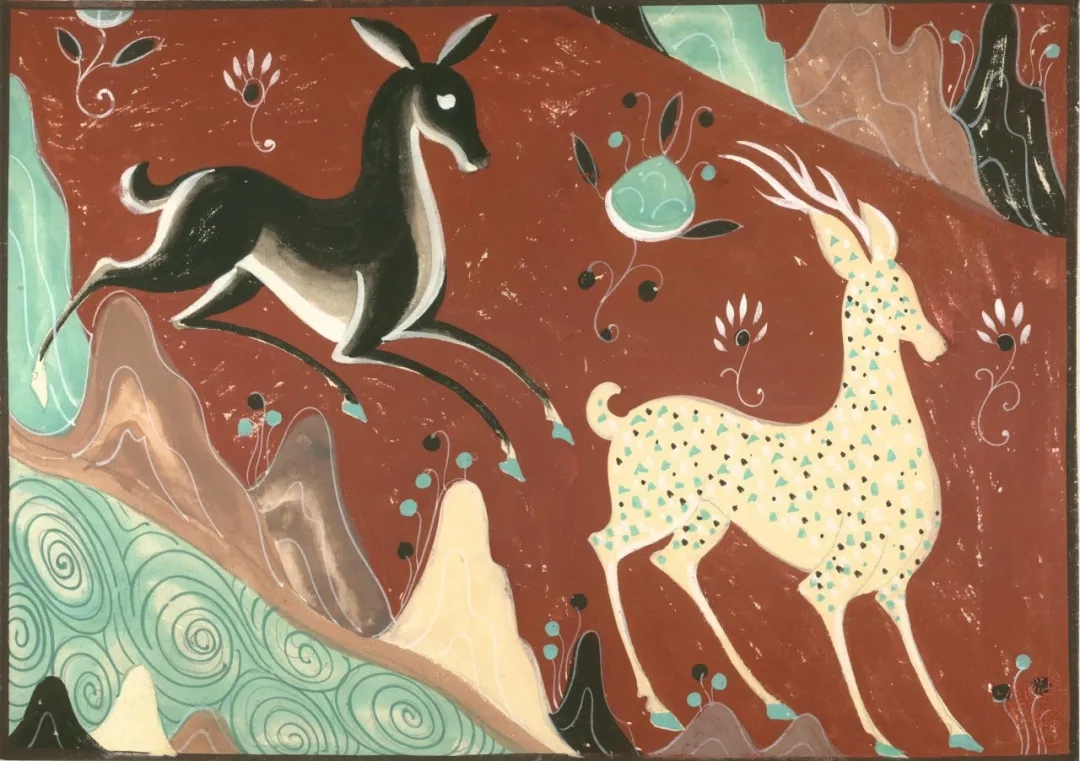
Murals of the Mogao Caves
Introduction
The Murals of the Mogao Caves are a remarkable collection of ancient Chinese art located in the Mogao Caves, near Dunhuang in Gansu province, Northwest China. These murals, which date from the 4th to the 14th centuries, are known for their intricate representation of Buddhist themes, reflecting the cultural and religious exchanges along the Silk Road. They are part of a UNESCO World Heritage site, emphasizing their global cultural significance.
Historical Background
The Mogao Caves were strategically positioned at a religious and cultural crossroads on the Silk Road, through which Buddhism spread from India to China. The caves served as a meditation and worship space for Buddhist monks and a place to store sacred texts and artworks. The creation of these murals spanned multiple dynasties, including the Northern Wei, Western Wei, Northern Zhou, Sui, Tang, Five Dynasties, Song, Western Xia, and Yuan, reflecting the artistic and cultural evolution over a thousand years.
Artistic Significance
The murals cover more than 45,000 square meters and depict a wide range of subjects, including jataka tales, the life of the Buddha, and various Buddhist deities. Each painting is a visual narrative that combines religious, historical, and everyday life themes. The artists employed vibrant colors and detailed compositions to convey stories and philosophies, utilizing mineral-based pigments to ensure durability. Remarkably, the murals also include depictions of ancient musical instruments and dance forms, providing insight into the cultural milieu of the time.
Technological and Cultural Revival
Modern technology, such as holography, has been employed to revive the musical and dance scenes depicted in the Mogao murals. For example, a performance titled "Ancient Sound of Dunhuang" brings these ancient arts to life, combining research into the murals with innovative storytelling. Instruments like the five-stringed pipa, panpipe, and lotus flower-shaped ruan, along with dances such as huxuan, are integral to these performances, showcasing the cultural diversity and artistic richness that the murals symbolize.
Influence and Inspiration
The Mogao Caves continue to inspire contemporary artists and musicians. Notably, Kam Shing-hei, a composer from the Hong Kong Gaudeamus Dunhuang Ensemble, has created works that draw from the murals' rich visual language. His compositions aim to bridge the ancient art of Dunhuang with modern musical expression, thereby preserving and propagating the cultural legacy of the Mogao Caves. Such initiatives highlight the ongoing relevance and adaptability of the caves' artistic treasures.
Preservation Efforts
Preservation of the Mogao Caves and their murals is an ongoing effort that involves both traditional conservation techniques and modern technology. The Dunhuang Academy plays a pivotal role in these endeavors, aiming to protect this invaluable heritage for future generations. Digital archiving and international collaborations have also been pivotal in ensuring the murals' longevity, making the art accessible to a global audience without compromising its physical integrity.
The Murals of the Mogao Caves are not only a testament to the artistic brilliance of ancient China but also a living narrative of human cultural and spiritual evolution. Through continuous preservation and innovative reinterpretation, they remain a source of inspiration and learning for people worldwide.








